Ongoing Projects
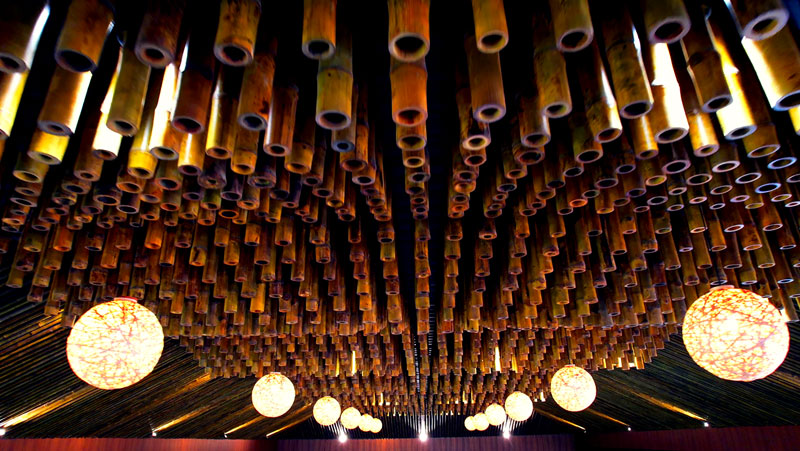
Alternative construction materials
The research and development objectives in construction focus on developing innovative construction technologies and sustainable practices that reduce environmental impact while improving infrastructure quality. Highlighted research initiatives include utilising laterite waste in construction applications, the life cycle analysis of breakwater structures using slag-based binder materials, and applying machine learning in concrete prediction models. ULCCS also explores alternative materials for full-depth reclamation (FDR) technology and investigates new pavement construction technologies to address Kerala’s unique infrastructure challenges. ULCCS is involved in field trials and industrial tests in collaboration with premier academic/research institutions. These endeavours reflect ULCCS’s comprehensive approach towards research-driven innovation to foster sustainable development within the construction industry.
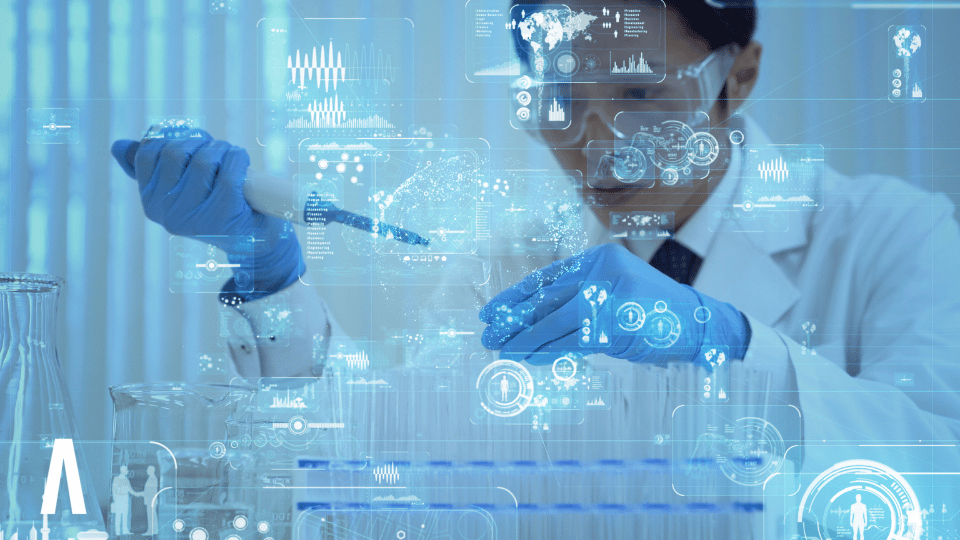
AI based molecular explanation
Our project is dedicated to pioneering a groundbreaking AI-based explanatory framework tailored for traditional medicine-based healing systems. Traditional medicine encompasses a wealth of knowledge and practices passed down through generations, offering unique insights into holistic healing approaches. By harnessing the power of Artificial Intelligence (AI), we aim to delve deeper into the molecular mechanisms underlying these ancient healing systems, unraveling their intricate complexities and uncovering hidden therapeutic potentials.
Through advanced AI algorithms and machine learning techniques, we seek to analyze vast datasets of traditional medicinal compounds, herbal remedies, and therapeutic practices. Our goal is to decipher the molecular interactions and biological pathways involved in traditional medicine’s healing effects, shedding light on their mode of action at the molecular level. By developing a comprehensive AI-based explanatory framework, we aspire to bridge the gap between traditional medicine and modern science, fostering greater understanding, acceptance, and integration of these invaluable healing traditions into mainstream healthcare practices.
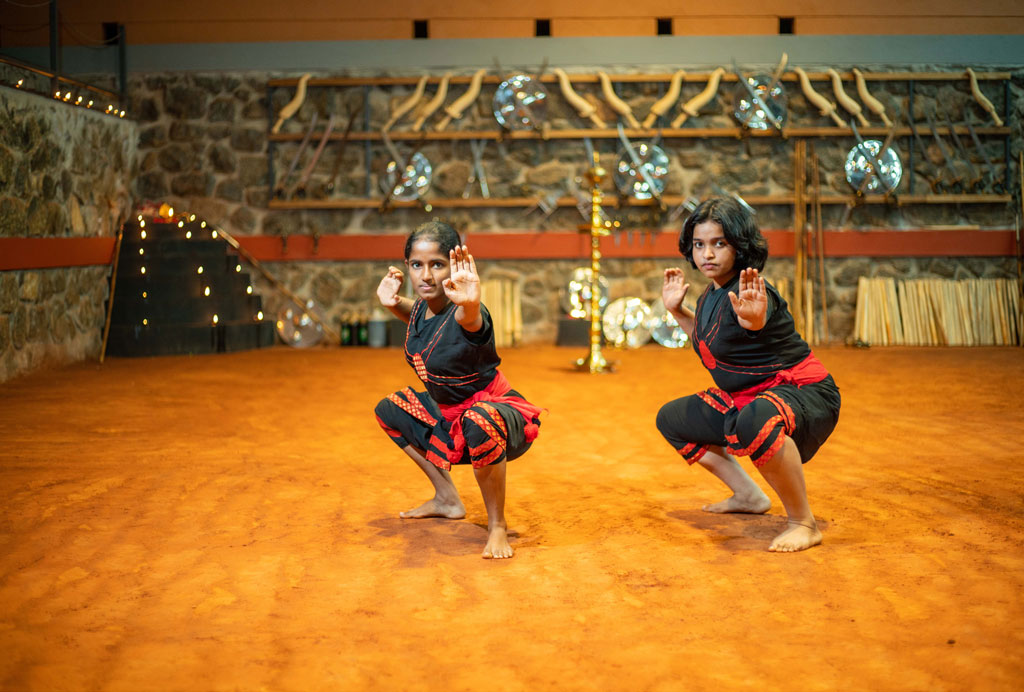
Kalaripayattu and well-being
The project endeavour to establish a futuristic artistic research platform for the Kalarippayattu. Kalari is a holistic practice which instructs the art of harmonious living and offers a comprehensive approach to well-being that takes into account a person’s physical, mental, and spiritual needs. This research develops multidisciplinary Kalari training that combines Kalari gurus and various modern knowledge projects within the framework of scientific temperament and inquiry. This research aims to study the different dimensions of Kalari in collaboration with leading universities across the world. Our long-term objective also includes the design and implementation of curriculum and training resources for the instruction of Kalari in schools. As a first step, as part of the ULCCS Centenary Fellowship, we are offering a fellowship in “Kalarippayattu and Well-being.” This opportunity allows individuals to contribute to the exploration, documentation, and scientific study of the age-old practices of Kalarippayattu. The fellowship is a collaborative effort between the UL Research Centre (ULRC) in Kozhikode, Kerala, and the National Institute of Advanced Studies (NIAS) at IISc Campus, Bangalore. Its primary goal is to uncover the profound connection between Kalarippayattu and personal health and well-being.